
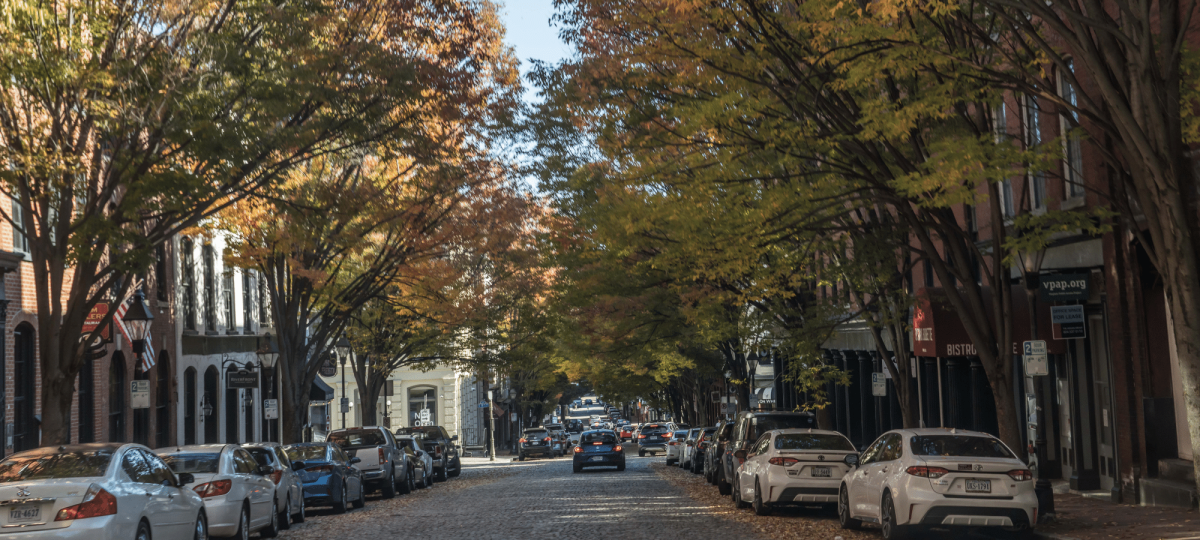
Virginia’s capital carries deep history, doesn’t it? Walk along each route and feel stories layered beneath every step. Notice how early stone paths once shaped daily life—can that vision still be imagined today? It can, and echoes remain in every corner. Over time, surfaces transformed into smooth, modern routes—does that shift reveal progress? It does, clearly and confidently. Each stretch reflects growth, blending past craftsmanship with present-day design. Isn’t that mix what keeps a city alive and evolving? Every turn answers with proof of innovation, culture, and steady economic rise.
Origins of Cobblestone Streets
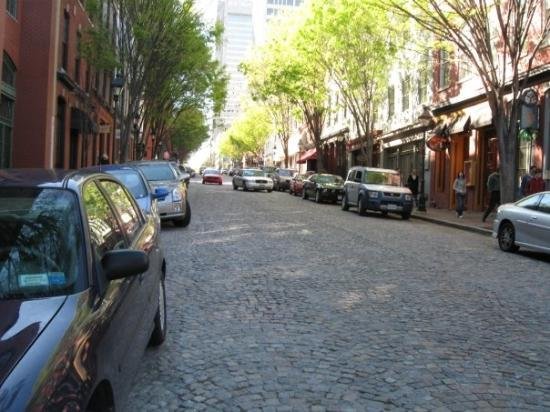
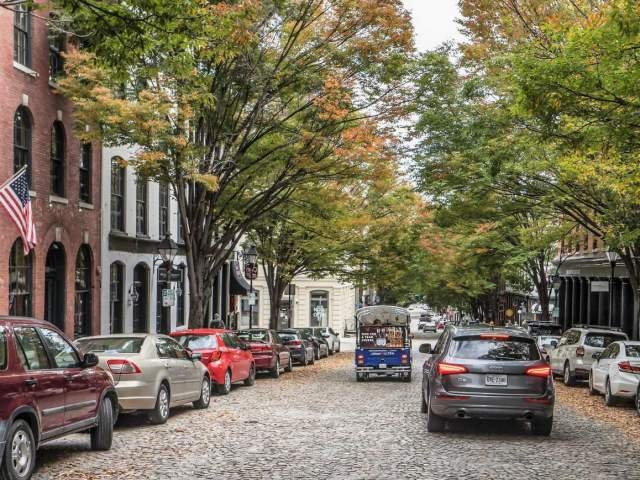
During 18th and 19th centuries, Richmond streets were largely unpaved, often muddy and difficult to navigate in poor weather. As urban growth accelerated, demand for durable, reliable road surfaces increased. Cobblestones, especially granite setts, provided an effective solution. Many stones, repurposed from ship ballast, were carefully laid to create stable walking and driving areas. Shockoe Slip stands out as an example, where fan-patterned granite setts were installed by the early 20th century, combining practicality with visual appeal ( richmondmagazine.com)
Growth of Asphalt and Concrete
At dawn of 20th century, rising automobile use sparked urgent change, didn’t it? Roads faced pressure to carry heavier traffic while offering smoother, safer travel—could old stone surfaces keep up? Not quite. Though strong, rough and uneven texture made every ride feel harsh.
So what came next? Engineers turned toward concrete and bituminous options—smart move, right? Faster installation, easier upkeep, plus a noticeably smoother experience answered growing needs with confidence. Travel began to feel different, more efficient, more refined.
As years passed, many original stone streets slipped beneath modern layers—does that erase history? Not at all. Beneath each surface, solid foundations still rest quietly, holding stories from another time. Isn’t that fascinating? Progress moved forward, yet past remains preserved, waiting patiently for future discovery.
Rediscovery and Preservation Efforts
During winter 1978, city crews began removing asphalt from Shockoe Slip and discovered that roughly 70% of original cobblestones remained intact (6AM – RICtoday). This finding sparked preservation efforts across the area. By May 1979, with support from local groups and volunteers, cobblestones were restored to their original positions, bringing a piece of Richmond’s heritage back to life. Today, these revitalized streets stand as a lasting reminder of the city’s dedication to preserving historical character.
Monument Avenue: A Case Study in Roadway Evolution
Monument Avenue in Richmond carries a story that still speaks, doesn’t it? Long ago, durable stone blocks shaped a route that balanced strength with striking visual charm—can that original character still be felt today? In many ways, yes.
As time moved forward, traffic grew and demands shifted—what happens when progress calls? Upgrades stepped in, bringing smoother surfaces and improved travel conditions by mid-20th century. Change answered need with confidence, making each journey more accessible and refined.
Yet beneath modern layers, original stonework continues to rest—does history ever truly disappear? Not here. Hidden foundations quietly hold onto legacy, waiting for a moment when restoration might bring past and present together once again. Isn’t that blend of endurance and evolution what makes a place unforgettable?
Modern Road Techniques and Materials
Today, streets across Richmond show a thoughtful blend of modern materials plus evolving techniques—notice that shift? Asphalt still leads due to cost efficiency and simple upkeep—does that make sense for a growing city? It does, offering reliability where demand stays high.
At same time, interest in greener options keeps rising—why lean in that direction? Because sustainability now shapes future decisions. Permeable materials step in, allowing water to pass through and reducing runoff—smart solution, right? It helps manage rain while protecting surrounding areas.
Recycled components also find a place within surface mixes—does that signal a deeper commitment? It does, clearly reflecting a move toward environmental responsibility. Each upgrade shows balance: practical choices meeting modern needs while building a cleaner, more sustainable path forward.
The Intersection of History and Modernity
Transformation of city routes goes deeper than materials, doesn’t it? Every shift mirrors history, culture, plus economic growth shaping region across generations. Can progress exist while honoring what came before? It can—and proof lives in preserved stone pathways resting alongside modern construction.
Places like Shockoe Slip and Monument Avenue feel like open-air museums, right? Walk across each surface and sense layers of trade, travel, plus urban change beneath every step. Doesn’t that connection make present-day life feel richer? It does, linking each moment to stories carried forward through time.
Conclusion
Transformation of this historic city from early stone-laid paths to modern road surfaces reflects broader growth and development over centuries. Each layer beneath wheels and feet tells a chapter of regional history, from earliest European settlers to a thriving urban center today. As residents and visitors move along avenues, sidewalks, and thoroughfares—by car, on foot, or by bicycle—they are not merely navigating a modern cityscape; they are traveling through time, experiencing legacies of generations who shaped a vibrant community.