

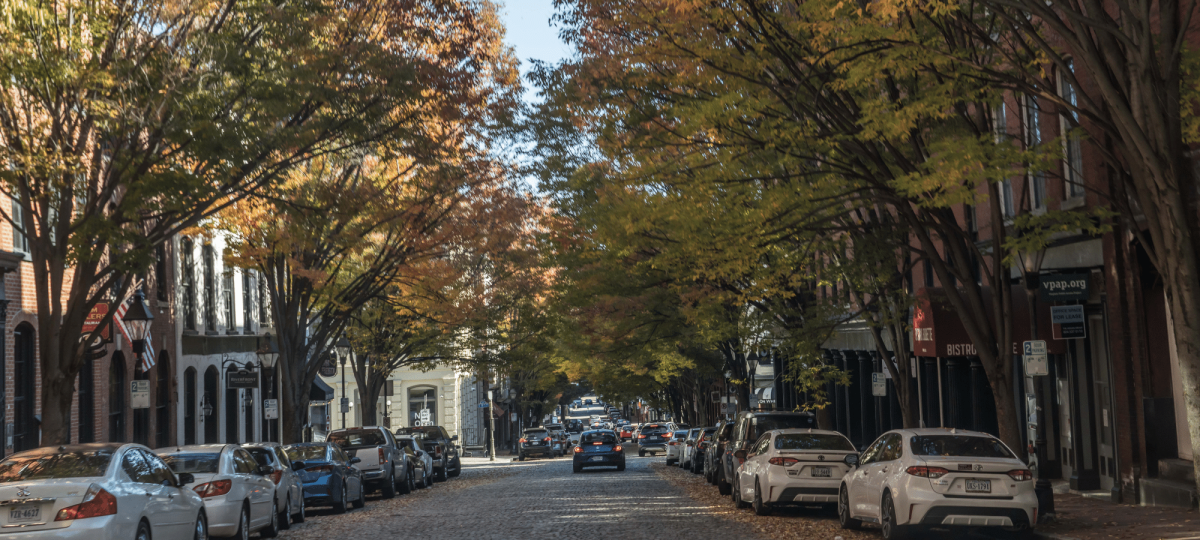
Virginia’s capital, rich in history, features a captivating mix of architectural and infrastructural development. Many streets reflect centuries of evolution, progressing from early stone pathways to smooth, modern routes used today. This journey through time showcases innovations in construction and urban design while offering insight into regional cultural heritage and economic growth.

Origins of Cobblestone Streets
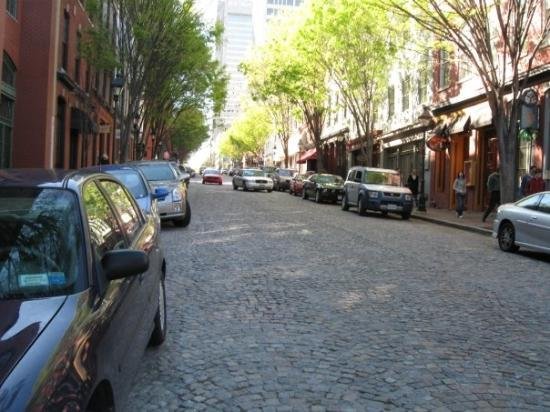
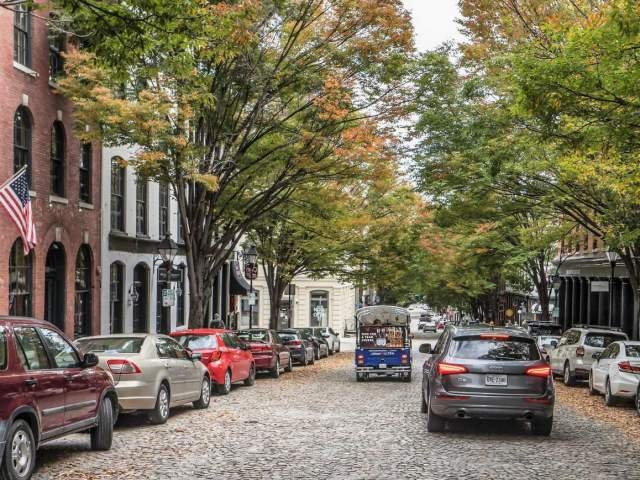
During 18th and 19th centuries, Richmond streets were largely unpaved, often muddy and difficult to navigate in poor weather. As urban growth accelerated, demand for durable, reliable road surfaces increased. Cobblestones, especially granite setts, provided an effective solution. Many stones, repurposed from ship ballast, were carefully laid to create stable walking and driving areas. Shockoe Slip stands out as an example, where fan-patterned granite setts were installed by the early 20th century, combining practicality with visual appeal ( richmondmagazine.com)
Growth of Asphalt and Concrete
At the start of the 20th century, rising automobile use created an urgent need for roadways capable of handling heavier traffic while providing a smoother, safer journey. Traditional stone surfaces, though durable, were often uneven and uncomfortable for motor vehicles. Engineers began adopting concrete and bituminous materials as preferred solutions. These modern surfaces enabled faster installation, lower maintenance, and a more comfortable driving experience. Over time, many older stone streets were covered with these newer materials to meet growing transportation demands. This transition also brought challenges: original stone foundations were exceptionally strong, often remaining buried beneath modern layers, quietly preserving a piece of history for future generations to uncover.
Rediscovery and Preservation Efforts
During winter 1978, city crews began removing asphalt from Shockoe Slip and discovered that roughly 70% of original cobblestones remained intact (6AM – RICtoday). This finding sparked preservation efforts across the area. By May 1979, with support from local groups and volunteers, cobblestones were restored to their original positions, bringing a piece of Richmond’s heritage back to life. Today, these revitalized streets stand as a lasting reminder of the city’s dedication to preserving historical character.

Monument Avenue: A Case Study in Roadway Evolution
Monument Avenue, one of Richmond’s most iconic thoroughfares, offers a fascinating view of how transportation routes have evolved over time. Originally constructed with durable stone blocks, the avenue combined functionality with visual charm. Over decades, multiple upgrades addressed growing traffic and modern vehicle requirements. By mid-20th century, smoother surfaces were added to enhance accessibility and driving conditions. Despite these changes, much of original stonework remained beneath newer layers, quietly preserving history and allowing potential for future restoration projects that honor its heritage.
Modern Road Techniques and Materials
Today, Richmond streets utilize a mix of modern materials and construction techniques. Asphalt continues to dominate because of cost efficiency and ease of maintenance. Interest is growing in sustainable and visually appealing alternatives. Permeable materials, which allow water to pass through and reduce runoff, are being implemented in various areas. Use of recycled components in surface mixes is also increasing, reflecting Richmond’s commitment to environmental sustainability.

The Intersection of History and Modernity
Transformation of city thoroughfares extends beyond material changes; it reflects historical, cultural, and economic shifts that have shaped the region over centuries. Preserving original stone pathways alongside modern road construction demonstrates respect for heritage while meeting contemporary needs. Areas like Shockoe Slip and Monument Avenue serve as open-air museums, where each layer underfoot tells a story of trade, travel, and urban development, linking present-day life with generations that came before.
Conclusion
Transformation of this historic city from early stone-laid paths to modern road surfaces reflects broader growth and development over centuries. Each layer beneath wheels and feet tells a chapter of regional history, from earliest European settlers to a thriving urban center today. As residents and visitors move along avenues, sidewalks, and thoroughfares—by car, on foot, or by bicycle—they are not merely navigating a modern cityscape; they are traveling through time, experiencing legacies of generations who shaped a vibrant community.
